
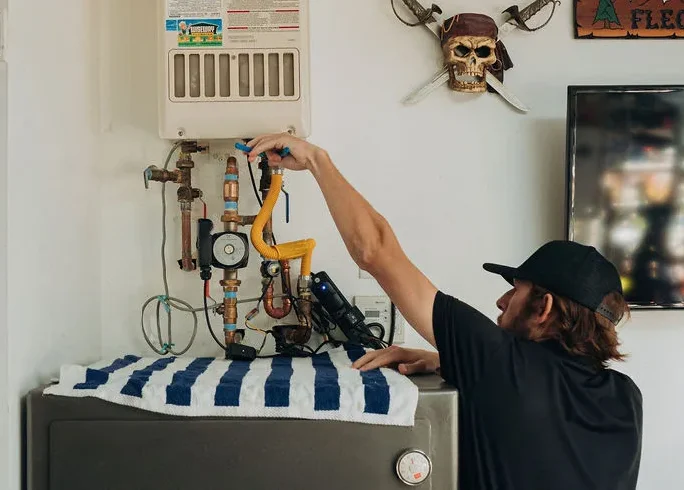
What Is an Anode Rod and Why Should Southern California Homeowners Care?
If you own a traditional tank-style water heater, there’s one small component inside that quietly protects the entire system: the anode rod.
Many plumbers call it a sacrificial anode rod because it corrodes in place of the steel tank. Water naturally causes metal to rust over time. Instead of your tank deteriorating first, the rod takes the damage.
Replacing this inexpensive part during routine water heater maintenance can prevent a costly breakdown or a full system replacement.
How an Anode Rod Protects Your Water Heater
Inside most tank water heaters:
- The tank is made of steel
- A glass lining helps slow corrosion
- Small imperfections expose metal to water
- Water contains minerals and oxygen that cause rust
The anode rod attracts corrosive elements in the water. Instead of attacking the tank walls, those minerals eat away at the rod. When the rod becomes heavily corroded—usually around 50% depleted—it’s time for a water heater anode rod replacement.
Need help? Schedule an appt with our team!
Magnesium vs. Aluminum Anode Rods
Not all anode rods are the same. The material you choose affects performance and lifespan.
Magnesium anode rods
- Provide strong corrosion protection
- Work well in untreated municipal water
- May corrode faster in homes with water softeners
Aluminum anode rods
- Corrode more slowly
- Perform better in softened water
- Typically last longer in treated systems
Choosing the right rod depends on your water quality and usage.
How Water Softeners Affect Anode Rod Life
Water softeners increase water conductivity. That change speeds up corrosion reactions inside the tank.
In softened water systems, a magnesium rod may only last 1–3 years. Without inspection, the rod can dissolve completely, leaving the tank unprotected.
Regular water heater inspections are especially important in homes with soft water.
How Often Should an Anode Rod Be Replaced?
A good rule of thumb:
- Inspect the rod every 2–3 years
- Check it annually if you use a water softener
- Replace it when it’s about 50% depleted
Most anode rods last between 3–5 years, depending on water quality and usage.
(310) 984-5366Warning Signs Your Water Heater Needs Service
If you notice any of the following, your water heater may need attention:
- Rust-colored hot water
- Rotten egg smell
- Popping or rumbling noises
- Leaks around the base of the tank
- Inconsistent hot water
- Rising energy bills
These symptoms often point to sediment buildup, corrosion, or a worn-out anode rod.
When to Call WiseWay Plumbing
It may be time to call WiseWay Plumbing if:
- Your water heater hasn’t been serviced in over a year
- You notice unusual smells or noises
- There’s visible rust or leaking
- The unit is over five years old without inspection history
A professional water heater service typically includes:
- Flushing sediment from the tank
- Inspecting or replacing the anode rod
- Testing safety valves
- Checking overall system performance
Anode Rod Replacement FAQ
How do I know if my water heater anode rod needs to be replaced?
Common signs include rust-colored hot water, a rotten egg smell, popping or rumbling noises, or inconsistent hot water. Most anode rods should be inspected every 2–3 years and replaced when they are about 50% corroded.
Can I replace a water heater anode rod myself?
In some cases, yes. If the rod is easy to access and not seized in place, a confident DIYer with the right tools can replace it. However, if the rod is stuck, the heater is older, or there are signs of leaks or corrosion, it’s safer to call a professional plumber.
How much does professional anode rod replacement cost?
Professional anode rod replacement typically ranges from $150 to $400, depending on the type of rod, labor, and how accessible the water heater is. This is far less expensive than replacing an entire water heater, which can cost several thousand dollars.
Cost of Anode Rod Replacement
Replacing an anode rod is one of the most affordable ways to extend the life of your water heater.
- DIY replacement: about $40–$150 for the rod
- Professional replacement: typically $150–$400 depending on labor and access
Compared to the cost of a full water heater replacement, it’s a small investment that can add years to your system.
Powered Anode Rods: A Long-Term Solution
Powered anode rods work differently from traditional sacrificial rods. Instead of corroding, they use a small electrical current to protect the tank.
Benefits include:
- Lifespan of 10+ years
- Reduced maintenance
- Helps eliminate sulfur odors
- Ideal for homes with softened water
They’re a popular upgrade for homeowners who want fewer service visits and better long-term protection.
If your water heater needs maintenance, give our friendly team a call!
(310) 984-5366
Booking Online Is Easy!
More Expert Plumbing Advice


Why Does My Hot Water Smell Like Rotten Eggs?
A sulfur or rotten egg smell in hot water is a common complaint. In many cases, it’s caused by a magnesium anode rod reacting with bacteria inside the tank. This reaction produces hydrogen sulfide gas.
Common solutions include:
- Switching to an aluminum anode rod
- Installing a powered anode rod
- Flushing the water heater
If the smell persists, it’s best to schedule a water heater service with a professional plumber.
Seasonal Water Heater Maintenance Tips
Routine maintenance helps extend the life of your water heater and keeps it running efficiently.
Each year, homeowners should:
- Flush sediment from the tank
- Test the temperature and pressure relief valve
- Inspect the anode rod
- Check for leaks or corrosion
Spring or fall are ideal times to schedule annual water heater maintenance.
Need to schedule maintenance? It’s easy!