
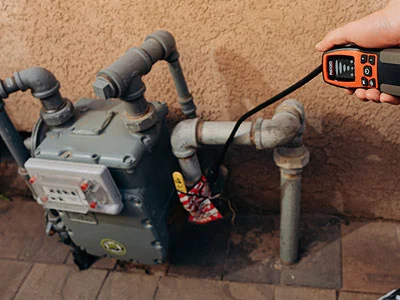
What Every Rancho Palos Verdes Homeowner Should Know About Gas Leak Detection
Living on the Palos Verdes Peninsula comes with a set of conditions most Southern California neighborhoods never think about. Salt air rolls in off the Pacific and quietly corrodes fittings. Older homes built into the hillsides carry decades of pipe that has bent, settled, and shifted along with the land beneath them. And after the events in Portuguese Bend and Seaview, where SoCalGas suspended service to hundreds of homes as the ground kept moving, gas safety has stopped being an abstract concern for anyone who owns property up here. It sits at the top of the list.
Gas leak detection is one of those things people put off until something feels off. A faint rotten-egg smell in the laundry room. A hissing sound behind the water heater. A gas bill that keeps climbing for no clear reason. By the time any of that shows up, the leak has usually been developing for a while. Wiseway Plumbing works with homeowners across Rancho Palos Verdes and communities within a 25-mile radius, and gas inspections are one of the most common calls we get from the peninsula. Here is what every homeowner should understand about how leaks happen, how they get found, and what to do next.
Why the Peninsula Puts Extra Stress on Gas Lines
Shifting Ground, Stressed Pipes: The RPV Reality
Rancho Palos Verdes is not flat and it is not dry inland. Homes here deal with slope pressure, saline moisture, and soil that behaves differently from one street to the next. Gas piping was designed with stable ground in mind. When that ground moves even a fraction of an inch a year, joints loosen and fittings that were sealed tight forty years ago start to breathe.
The Portuguese Bend landslide made the extreme version of this problem visible. The same forces work at a smaller scale across the rest of the peninsula, from Miraleste down through Vista Grande and out toward Palos Verdes Estates. Even homes nowhere near the active slide zone deal with expansive clay soils, coastal humidity, and the slow breakdown of galvanized or older black iron piping.
Signs You Might Have a Gas Leak
Most homeowners already know about the smell. Utility companies add mercaptan to natural gas so it carries that distinctive sulfur odor, since raw gas is otherwise invisible and scent-free. Leaks also show up in ways that go beyond the smell:
A hissing or whistling sound near an appliance, meter, or exposed pipe. Dead or yellowing grass in a patch above a buried gas line. Higher gas bills without a change in usage. Pilot lights that keep going out. Dizziness, headaches, or nausea that clear up as soon as you step outside.
If you catch a strong odor, leave the property, avoid flipping switches or lighting anything, and call SoCalGas from a safe distance. For the follow-up inspection on your side of the meter, that is where a plumber comes in.
Where Leaks Tend to Show Up in RPV Homes
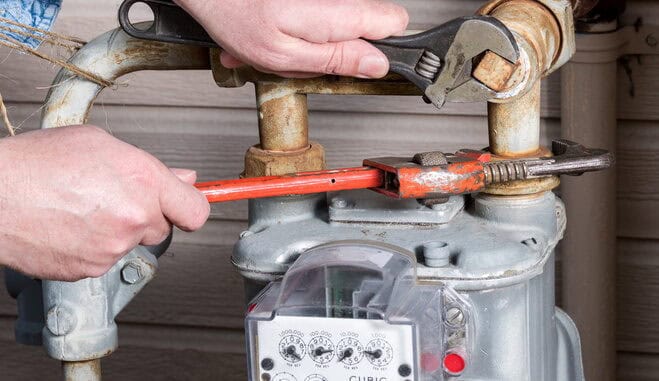
In older neighborhoods like Miraleste Hills and parts of Eastview, the gas piping running to water heaters, stoves, and furnaces has often been in place since the original build. A few of the common failure points we find during a leak search:
Threaded joints under the water heater platform, where heat cycles and moisture loosen the seal over time. Homeowners with an aging tank often book Water Heater Repair on the same visit.
Corroded flex connectors behind ranges and dryers, especially in kitchens that have seen multiple remodels.
Buried yard lines feeding pool heaters, patio grills, and detached casitas. Coastal salt air is unkind to shallow-buried steel.
Old shutoff valves on branch lines that no longer seal cleanly when closed.
When a home has widespread corrosion across the gas system, spot repairs stop making sense. That is when we start a conversation about Repiping the gas lines, which gives owners a full reset with modern materials rated for the conditions up here.

What Professional Gas Leak Detection Actually Looks Like
Sniffing around with a nose and a flashlight is not detection. Real Gas Leak Detection uses combustible gas indicators, electronic sniffers, and pressure testing to locate a leak without opening walls on a guess. A typical inspection looks like this:
We isolate the system at the meter and run a pressure test on the whole gas line. If the gauge holds, the system is tight. If it drops, we know there is a leak somewhere and start narrowing.
From there we work section by section, using the shutoff valves in the house to divide the system into zones. Electronic detectors pick up parts per million, which lets us trace a leak to a single joint rather than opening up more of the wall than we need to.
For water lines, the same approach applies. Our Leak Detection service covers slab leaks, pinhole leaks in copper, and the hidden water intrusion that quietly rots framing behind a cabinet.
Related Services That Often Come Up on the Same Visit
A gas leak call rarely stays a gas call. Homes on the peninsula tend to be older, and once we are on site people ask about the other systems giving them trouble. A few of the services that pair naturally:
Drain Cleaning for kitchen and bath lines that back up after years of buildup. Hydrojetting for main lines choked with root intrusion, common in yards with mature landscaping and clay pipe underground. Sewer Cleaning when slow drains show up across multiple fixtures at once, usually a sign the main line needs attention. General Plumbing Services for everything else, from fixture swaps to pressure regulator replacement.
Peninsula Homeowner Questions, Answered
How do I know if I actually have a gas leak or if I am imagining the smell?
Trust the nose but confirm with equipment. Faint sulfur odors can come from drains, spoiled food, or certain plants. A proper gas inspection uses electronic detection and pressure testing to tell you whether the system is holding pressure or losing it.
Can a small gas leak really be dangerous?
Yes. Small leaks in enclosed spaces build up over time, and it takes very little concentration in the air to reach ignition levels. A small leak also usually points to bigger issues in the piping.
How long does a full gas leak inspection take?
Most residential inspections run one to three hours depending on the size of the home and how many appliances are on the system. Homes with a lot of buried yard lines to pool heaters or outbuildings take longer.
My gas was turned back on after the landslide shutoff. Should I still get an inspection?
Yes. Any ground movement, even minor, can stress the joints in a gas system. If your home sat in one of the restored zones or near land movement, a professional check gives you a clean baseline.

Service Across the Peninsula and Beyond
Trusted Gas Leak Detection From RPV to the South Bay
Wiseway Plumbing covers Rancho Palos Verdes, Rolling Hills, Rolling Hills Estates, and Palos Verdes Estates, along with the broader South Bay and communities out to 25 miles from our home base. That reach includes San Pedro, Torrance, Redondo Beach, Long Beach, Lomita, Harbor City, and Carson.
Book Your Gas Leak Detection Today!

Booking Online Is Easy!
More Expert Plumbing Advice





Fixing Plumbing Problems in The South Bay
and the Surrounding Communities
- 90001
- 90002
- 90003
- 90004
- 90005
- 90006
- 90007
- 90008
- 90010
- 90011
- 90012
- 90013
- 90014
- 90015
- 90016
- 90017
- 90018
- 90019
- 90020
- 90021
- 90023
- 90024
- 90025
- 90026
- 90027
- 90028
- 90029
- 90031
- 90032
- 90033
- 90034
- 90035
- 90036
- 90037
- 90038
- 90039
- 90041
- 90042
- 90043
- 90044
- 90045
- 90046
- 90047
- 90048
- 90049
- 90056
- 90057
- 90058
- 90059
- 90061
- 90062
- 90063
- 90064
- 90065
- 90066
- 90067
- 90068
- 90069
- 90071
- 90073
- 90077
- 90079
- 90089
- 90094
- 90095
- 90205
- 90210
- 90212
- 90220
- 90221
- 90222
- 90230
- 90231
- 90232
- 90233
- 90245
- 90247
- 90248
- 90249
- 90251
- 90254
- 90260
- 90261
- 90266
- 90267
- 90272
- 90274
- 90275
- 90277
- 90278
- 90290
- 90291
- 90292
- 90293
- 90294
- 90295
- 90303
- 90304
- 90310
- 90401
- 90402
- 90403
- 90404
- 90405
- 90406
- 90407
- 90408
- 90409
- 90410
- 90411
- 90501
- 90502
- 90503
- 90504
- 90505
- 90506
- 90507
- 90508
- 90509
- 90510
- 90620
- 90621
- 90622
- 90623
- 90624
- 90630
- 90638
- 90650
- 90651
- 90652
- 90680
- 90701
- 90702
- 90703
- 90706
- 90707
- 90710
- 90711
- 90712
- 90713
- 90714
- 90715
- 90716
- 90717
- 90723
- 90731
- 90732
- 90740
- 90742
- 90743
- 90744
- 90745
- 90746
- 90747
- 90749
- 90801
- 90802
- 90803
- 90804
- 90805
- 90806
- 90807
- 90808
- 90809
- 90810
- 90813
- 90814
- 90815
- 90822
- 90831
- 90832
- 90833
- 90840
- 90842
- 90844
- 90846
- 90847
- 90848
- 90895
- 91040
- 91042
- 91214
- 91303
- 91304
- 91306
- 91307
- 91311
- 91316
- 91324
- 91325
- 91326
- 91330
- 91331
- 91335
- 91340
- 91342
- 91343
- 91344
- 91345
- 91352
- 91356
- 91364
- 91367
- 91401
- 91402
- 91403
- 91405
- 91406
- 91411
- 91423
- 91436
- 91504
- 91505
- 91601
- 91602
- 91604
- 91605
- 91606
- 91607
- 91608
- 92605
- 92615
- 92646
- 92647
- 92648
- 92649
- 92655
- 92683
- 92684
- 92685
- 92703
- 92708
- 92728
- 92801
- 92802
- 92803
- 92804
- 92805
- 92806
- 92807
- 92808
- 92809
- 92812
- 92814
- 92815
- 92816
- 92817
- 92825
- 92840
- 92841
- 92842
- 92843
- 92844
- 92845
- 92846
- 92899
Don’t see your ZIP code? Call us to ask about service in your area. We may still be able to help.
(310) 731-1055