
Repiping a Rolling Hills Home: What to Expect When Your Peninsula Pipes Reach the End of Their Run
Rolling Hills has a housing stock that tells a specific story. Most of the homes tucked behind the gates were built between the late 1930s and the 1970s, which means a significant number still carry some portion of their original galvanized steel supply lines. Even homes that saw partial updates in the 80s and 90s often ended up with mismatched pipe materials patched together over the decades. When those systems finally start to give out, the symptoms creep in slowly at first, then all at once.
Repiping is one of those projects Rolling Hills homeowners tend to put off until a pinhole leak turns into a drywall repair, or a shower loses pressure to the point of being unusable. The peninsula terrain does not help. Homes perched on hillsides deal with more complex plumbing runs, longer horizontal spans, and pressure variations that wear pipes out faster than a flat lot home in the valley. Add in coastal air working its way inland from the shoreline, and the interior of older metal piping takes a beating year after year. This guide walks through what a full repipe actually looks like for a home in Rolling Hills, and how to spot the point where repair stops making sense.
Why So Many Rolling Hills Homes End Up Needing a Repipe
The Galvanized Pipe Countdown: Why Rolling Hills Homes Are Past Their Expiration Date
The original galvanized steel piping that went into peninsula homes during the postwar building boom had a working life of roughly 40 to 60 years. Rolling Hills is well past that window. Decades of mineral buildup from California Water Service supply gradually narrows the interior diameter, restricts flow, and creates rough patches where rust takes hold. Copper repipes done in the 70s and 80s can also start showing pinhole leaks by now, especially in stretches running through slab foundations or exterior walls exposed to salt air from the coast.
Hillside homes add another layer of stress. Long vertical runs put constant pressure on joints, and the peninsula temperature swings, warm afternoons followed by cool marine layer nights, cause metal pipes to expand and contract until connections fatigue.
Signs Your Home Is Ready for New Pipes
Homeowners in Rolling Hills usually notice a few patterns before deciding to repipe. Watching for these signals early can save thousands in secondary damage.
Discolored water is often the first clue. If the cold tap runs brown, yellow, or rust tinted after the house has sat unused for a few hours, the interior of the supply pipes is corroding. Low water pressure across multiple fixtures points to mineral scale narrowing the pipes. A single slow faucet is usually a fixture problem, but when three bathrooms and the kitchen all struggle at once, the pipes themselves are the issue.
Recurring leaks in different locations tell you the whole system has reached end of life. Patching one section only buys time before the next fails. Temperature swings during showers, where a toilet flush elsewhere causes a scalding or freezing surprise, often trace back to constricted supply lines. If you have already called our team out for leak detection more than once in a year, the answer is usually a repipe rather than another repair.

What the Repipe Process Looks Like on a Peninsula Home
A full repipe replaces every hot and cold supply line running from the main shutoff to each fixture. On a typical Rolling Hills home of three to five bedrooms, the work usually takes three to five working days, with water restored each evening.
The process starts with a walkthrough to map every fixture, plan the pipe routes, and identify which walls need small access openings. The goal is to minimize drywall cuts, which means running new lines through attic spaces, crawl areas, and closets wherever possible. On slab foundation homes common in the older sections of Rolling Hills, new lines usually get rerouted overhead rather than replaced under the slab, which avoids tearing up flooring.
Once the routing is set, the old system is isolated section by section and the new lines are pulled in. Fixtures are reconnected as each area is completed. Drywall patches are cut cleanly for easy repair, and the whole system is pressure tested before final signoff.
Choosing Between Copper and PEX
What Actually Makes Sense for Your Rolling Hills Repipe
Two materials cover almost every modern repipe in this area. Type L copper has been the traditional choice for decades. It handles high temperatures, resists UV exposure in outdoor runs, and has a proven track record on the peninsula.
PEX, a flexible cross linked polyethylene tubing, has become the more common choice for whole home repipes in the last fifteen years. It resists the mineral scaling that killed the original galvanized lines, handles ground movement well on hillside lots, and uses fewer fittings, which means fewer potential leak points. PEX also costs less to install because it runs in continuous lengths.
For most Rolling Hills homes, PEX is the practical answer for interior supply lines, with copper still used for short exposed runs, water heater connections, and exterior sections. A good plumber will walk through the tradeoffs for your specific layout.
How Repiping Fits With the Rest of Your Plumbing System
Clearing the Drains While the Walls Are Already Open
A repipe touches almost every other part of your home’s plumbing, which is why it often makes sense to address related issues at the same time. If your water heater is more than ten years old, coordinating water heater repair or replacement with the repipe saves a second round of shutoffs and lets the new unit tie into fresh supply lines from day one.
Older homes often have drain lines that have collected years of buildup alongside the failing supply pipes. Handling drain cleaning during the repipe window, or scheduling hydrojetting for kitchen and laundry lines that have narrowed with grease and detergent residue, restores full flow throughout the system.
Homes with older cast iron sewer laterals sometimes benefit from sewer cleaning at the same time, since the crew is already onsite and access points are open. If the home still uses original gas piping, a gas leak detection sweep is worth scheduling while walls are open, particularly for homes near the equestrian trails where older buried lines have seen decades of soil movement. For anything outside the repipe scope, our full range of plumbing services can address it in the same visit.
Questions Rolling Hills Homeowners Ask Before Repiping
How long does a full home repipe take?
For most homes in Rolling Hills, three to five working days is typical. Larger estates with multiple wings or detached structures can run a week or slightly longer. Water is restored each evening so the home stays livable throughout the project.
Will I need to move out during the work?
No. The house remains occupied. There is drywall dust in the work areas during the day, and water will be off during working hours, but each evening the system is reconnected and functional.
Does repiping increase my home value?
Yes, particularly in Rolling Hills where buyers and their inspectors pay close attention to older systems. A documented repipe removes a common negotiation point during resale.
Does repiping increase my home value?
Yes, particularly in Rolling Hills where buyers and their inspectors pay close attention to older systems. A documented repipe removes a common negotiation point during resale.
Serving Rolling Hills and the Surrounding Peninsula
From Rolling Hills to the South Bay: Where We Show Up
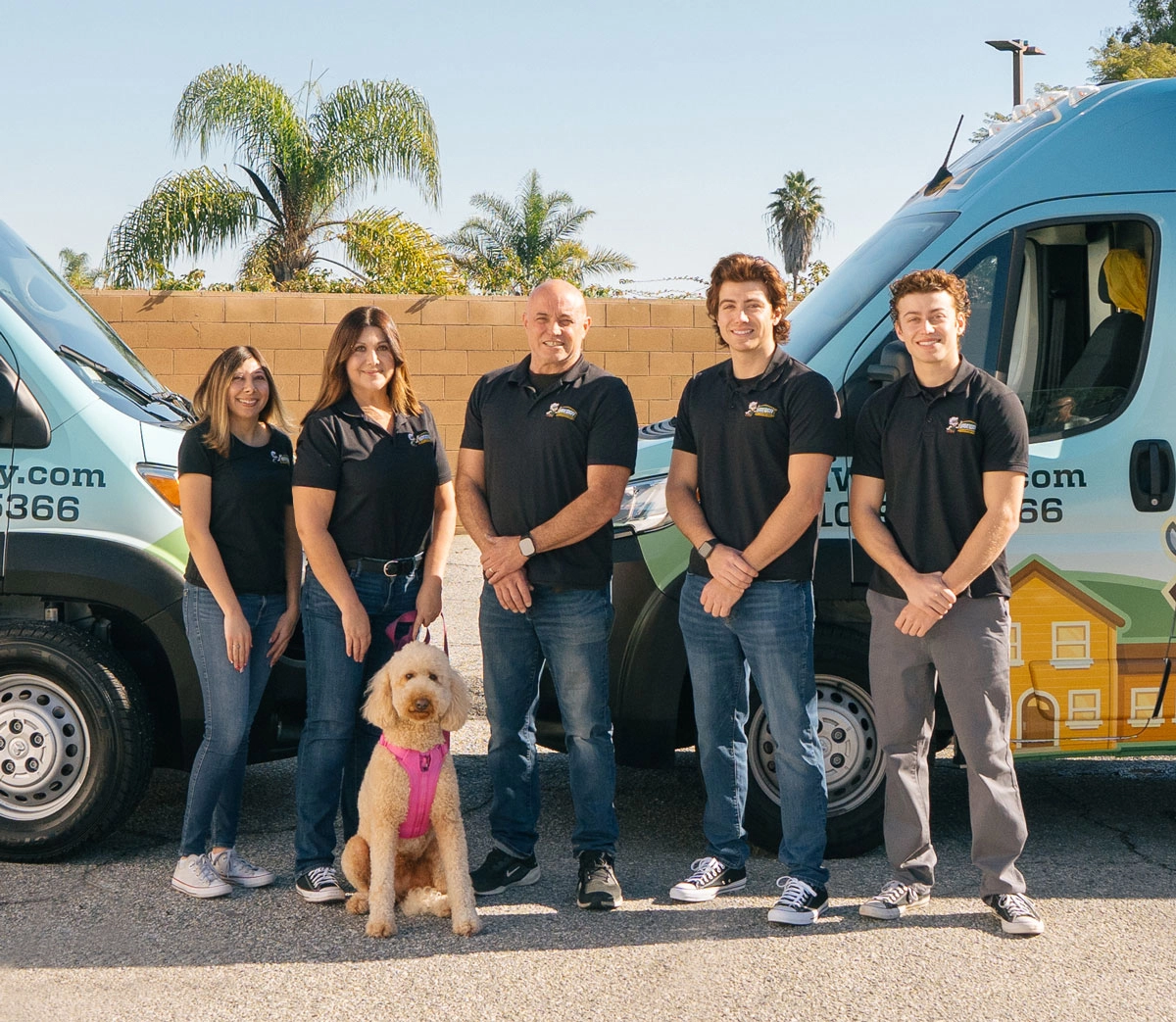
Wiseway Plumbing works throughout Rolling Hills, Rolling Hills Estates, Rancho Palos Verdes, Palos Verdes Estates, and the wider South Bay within a twenty five mile radius. That includes Torrance, Redondo Beach, Manhattan Beach, El Segundo, San Pedro, and Long Beach. Peninsula homes each have their own quirks, and a team that already knows the housing stock shortens diagnostic time.
Book Your Gas Leak Detection Today!
Booking Online Is Easy!
More Expert Plumbing Advice



Fixing Plumbing Problems in The South Bay
and the Surrounding Communities
- 90001
- 90002
- 90003
- 90004
- 90005
- 90006
- 90007
- 90008
- 90010
- 90011
- 90012
- 90013
- 90014
- 90015
- 90016
- 90017
- 90018
- 90019
- 90020
- 90021
- 90023
- 90024
- 90025
- 90026
- 90027
- 90028
- 90029
- 90031
- 90032
- 90033
- 90034
- 90035
- 90036
- 90037
- 90038
- 90039
- 90041
- 90042
- 90043
- 90044
- 90045
- 90046
- 90047
- 90048
- 90049
- 90056
- 90057
- 90058
- 90059
- 90061
- 90062
- 90063
- 90064
- 90065
- 90066
- 90067
- 90068
- 90069
- 90071
- 90073
- 90077
- 90079
- 90089
- 90094
- 90095
- 90205
- 90210
- 90212
- 90220
- 90221
- 90222
- 90230
- 90231
- 90232
- 90233
- 90245
- 90247
- 90248
- 90249
- 90251
- 90254
- 90260
- 90261
- 90266
- 90267
- 90272
- 90274
- 90275
- 90277
- 90278
- 90290
- 90291
- 90292
- 90293
- 90294
- 90295
- 90303
- 90304
- 90310
- 90401
- 90402
- 90403
- 90404
- 90405
- 90406
- 90407
- 90408
- 90409
- 90410
- 90411
- 90501
- 90502
- 90503
- 90504
- 90505
- 90506
- 90507
- 90508
- 90509
- 90510
- 90620
- 90621
- 90622
- 90623
- 90624
- 90630
- 90638
- 90650
- 90651
- 90652
- 90680
- 90701
- 90702
- 90703
- 90706
- 90707
- 90710
- 90711
- 90712
- 90713
- 90714
- 90715
- 90716
- 90717
- 90723
- 90731
- 90732
- 90740
- 90742
- 90743
- 90744
- 90745
- 90746
- 90747
- 90749
- 90801
- 90802
- 90803
- 90804
- 90805
- 90806
- 90807
- 90808
- 90809
- 90810
- 90813
- 90814
- 90815
- 90822
- 90831
- 90832
- 90833
- 90840
- 90842
- 90844
- 90846
- 90847
- 90848
- 90895
- 91040
- 91042
- 91214
- 91303
- 91304
- 91306
- 91307
- 91311
- 91316
- 91324
- 91325
- 91326
- 91330
- 91331
- 91335
- 91340
- 91342
- 91343
- 91344
- 91345
- 91352
- 91356
- 91364
- 91367
- 91401
- 91402
- 91403
- 91405
- 91406
- 91411
- 91423
- 91436
- 91504
- 91505
- 91601
- 91602
- 91604
- 91605
- 91606
- 91607
- 91608
- 92605
- 92615
- 92646
- 92647
- 92648
- 92649
- 92655
- 92683
- 92684
- 92685
- 92703
- 92708
- 92728
- 92801
- 92802
- 92803
- 92804
- 92805
- 92806
- 92807
- 92808
- 92809
- 92812
- 92814
- 92815
- 92816
- 92817
- 92825
- 92840
- 92841
- 92842
- 92843
- 92844
- 92845
- 92846
- 92899
Don’t see your ZIP code? Call us to ask about service in your area. We may still be able to help.
(310) 731-1055