Expert Water Heater Repair
& Installation in Westminster
Wiseway Plumbing - Where Wisdom Leads the Way
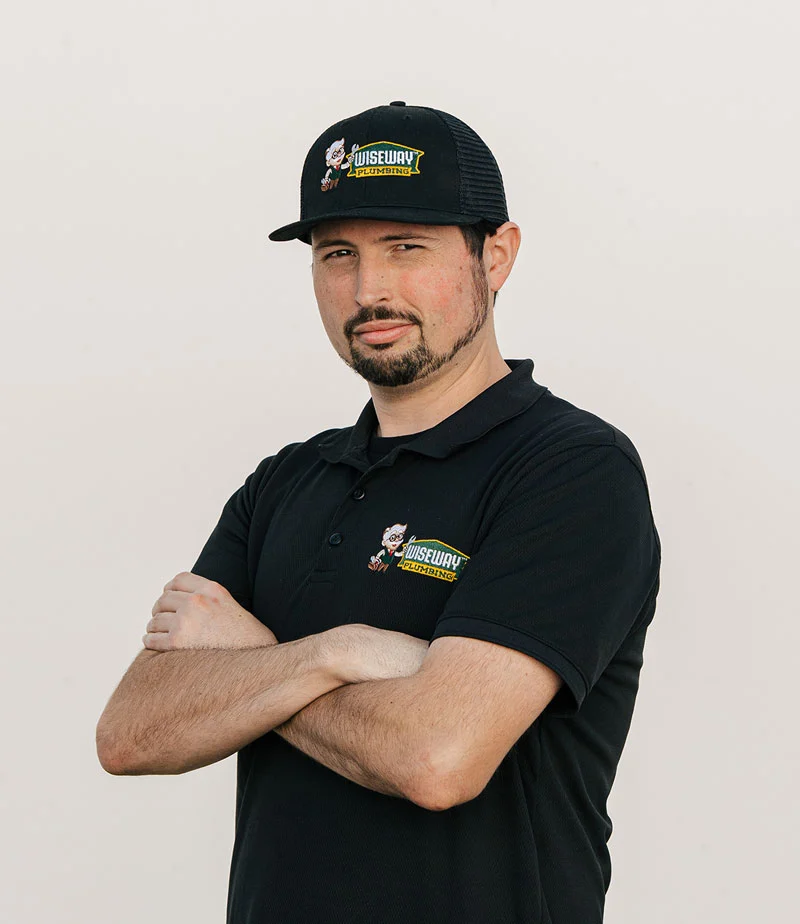
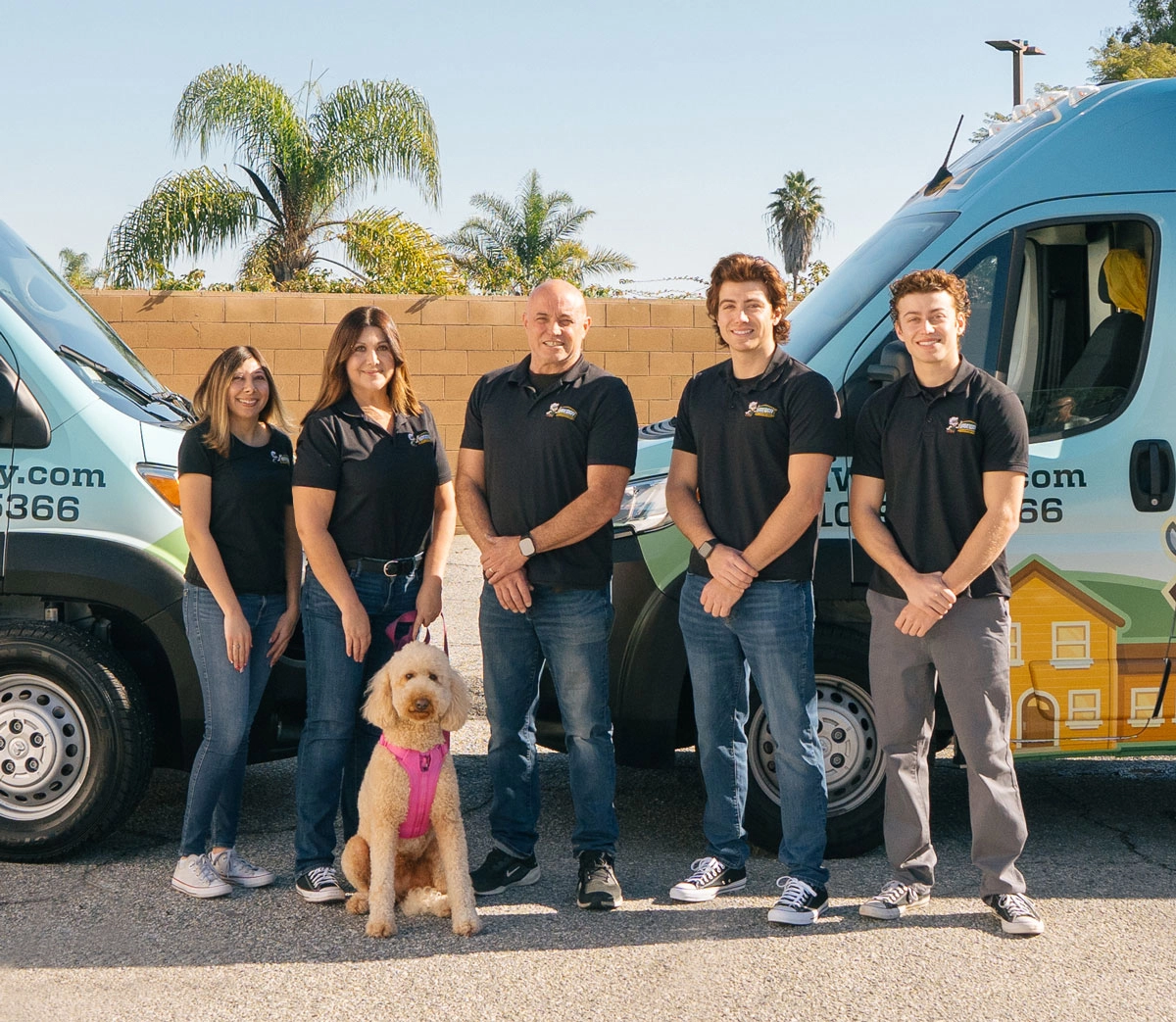
Locally Owned We live in the Community 1st & 2nd Generation in the Business
You are more likely to have one of the family actually be the one that services your home!
It's Easy to Book Online!



Local Businesses Choose the Wise Way.



















$0 Service Call with Any Plumbing Repair in westminster
Have a plumbing problem?
Let Wiseway Plumbing take a look - when you move forward with the repair, your service call is on us. It’s a simple, stress-free way to get honest answers and fast solutions from a local team you can trust.
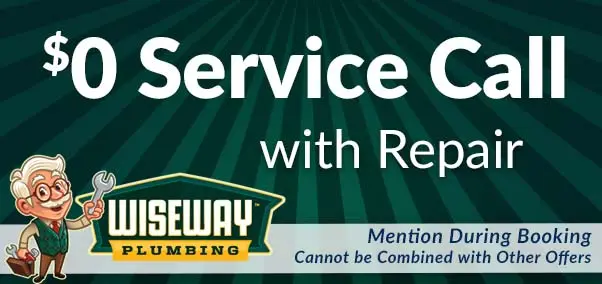
Offers cannot be combined. Limit 1 per household. Expires 12/31/2026. Call for details


Water Heater Repair in Westminster, California

Westminster homeowners dealing with tankless water heater problems can resolve many issues with the right approach. This guide covers seven practical strategies for tankless water heater repair in Westminster CA, including troubleshooting common error codes, addressing hard water challenges specific to the region, and determining when DIY fixes work versus when professional service is necessary to restore reliable hot water to your home.
When your tankless water heater starts acting up in Westminster, CA, it can throw your entire household routine into chaos. No hot water for showers, dishes piling up, and that nagging worry about repair costs—it’s enough to stress anyone out. The good news? Many tankless water heater issues have straightforward solutions when you know what you’re dealing with.
Westminster homeowners face unique challenges due to our region’s hard water and specific climate conditions, which can affect how these systems perform over time. Whether you’re troubleshooting a sudden temperature fluctuation or dealing with an error code you’ve never seen before, understanding your repair options helps you make smarter decisions.
This guide walks you through proven strategies for addressing tankless water heater problems, from identifying common issues to knowing when professional help is your best bet. Let’s get your hot water flowing reliably again.
1. What Do Those Error Codes Actually Mean?
The Challenge It Solves
Your tankless water heater’s digital display starts flashing codes like 11, 12, or 79, and suddenly you’re playing a guessing game with your hot water supply. These cryptic numbers can feel like reading a foreign language, leaving you stuck between panic and procrastination. Understanding what these codes communicate is the difference between a five-minute fix and an unnecessary service call.
The Strategy Explained
Error codes function as your tankless unit’s way of telling you exactly what’s wrong. Each manufacturer uses specific numbering systems to pinpoint issues—Rinnai, Navien, Noritz, and Rheem units common in Westminster each have their own code language. For example, an 11 code on a Rinnai typically indicates ignition failure, while a 12 suggests flame failure. Navien’s E003 code points to ignition issues, whereas E012 signals flame loss.
The first step in any tankless water heater repair situation should be consulting your owner’s manual or searching your specific model number with the error code online. Many codes indicate simple fixes like resetting the unit or checking gas supply, while others signal component failures requiring professional attention.
Implementation Steps
1. Write down the exact error code displayed on your unit’s control panel, including any letters or additional numbers.
2. Locate your owner’s manual or search “[Your Brand] [Model Number] error code [Code Number]” online for manufacturer-specific explanations.
3. Determine whether the code indicates a user-serviceable issue (like resetting a breaker) or a professional repair need (like replacing a flame rod).
4. Document when the error occurs—does it happen during high-demand periods, after the unit sits idle, or randomly throughout the day?
Pro Tips
Take a photo of your error code display before resetting the unit. Pattern recognition matters—if you’re getting the same code repeatedly, that’s valuable diagnostic information for a technician. Some codes clear themselves after a reset but indicate developing problems that will worsen without intervention.
2. How Can You Combat Westminster’s Hard Water Problem?
The Challenge It Solves
Orange County’s water supply contains significant mineral content that creates scale buildup inside your tankless heat exchanger. This crusty accumulation restricts water flow, reduces heating efficiency, and can eventually cause complete system failure. Westminster homeowners often discover hard water damage only after performance has noticeably declined.
The Strategy Explained
Hard water minerals—primarily calcium and magnesium—crystallize when heated, forming deposits that coat the narrow passages inside your heat exchanger. These deposits act like insulation, forcing your unit to work harder and longer to achieve target temperatures. Over time, restricted flow triggers error codes, causes temperature fluctuations, and shortens component lifespan.
Regular descaling removes these mineral deposits before they cause permanent damage. Think of it like removing plaque from teeth—routine cleaning prevents serious problems down the road. Westminster’s water conditions typically require descaling every 6-12 months, compared to every 2-3 years in areas with softer water. Understanding maintenance tips for tankless water heater longevity can help you stay on schedule.
Implementation Steps
1. Purchase a descaling kit containing food-grade white vinegar or citric acid solution, along with two washing machine hoses and a submersible pump.
2. Turn off gas and electrical power to your tankless unit, then close the water isolation valves on both the cold water inlet and hot water outlet.
3. Connect hoses from your pump and bucket to the service valves, circulating the descaling solution through the heat exchanger for 45-60 minutes.
4. Flush the system with fresh water, clean the inlet filter screen, and restore power and water supply.
Pro Tips
Consider installing a whole-house water softener if you’re descaling more than twice yearly. The upfront investment pays for itself through extended equipment life and reduced maintenance. If descaling feels beyond your comfort level, many Westminster plumbers offer this service at reasonable rates—often less than the cost of replacing a scaled heat exchanger.
3. Why Does Your Water Temperature Keep Fluctuating?
The Challenge It Solves
You’re mid-shower when the water suddenly turns lukewarm, then scalding, then back to normal. This temperature roller coaster, known as the “cold water sandwich effect,” frustrates homeowners and can indicate several underlying issues. Consistent temperature delivery is what you paid for—these fluctuations signal something needs attention.
The Strategy Explained
Temperature inconsistencies typically stem from three sources. Flow rate problems occur when your water demand falls below the unit’s minimum activation threshold—many tankless heaters won’t fire up unless at least 0.5 gallons per minute flows through them. Crossover issues happen when hot water migrates into cold water lines through a faulty fixture, confusing your tankless unit’s sensors. The cold water sandwich effect occurs when you briefly turn off hot water, then turn it back on—residual hot water in the pipes flows first, followed by cold water that was sitting in the heat exchanger, then finally reheated water.
Each cause requires different solutions. Flow rate problems might need low-flow fixture replacement or installation of a small buffer tank. Crossover issues demand identifying and repairing the problematic fixture. Cold water sandwiches can be minimized through programming adjustments or buffer tank installation. Learning why tankless water heaters fail helps you prevent these common issues.
Implementation Steps
1. Test whether temperature fluctuations occur at all fixtures or just specific ones—isolated problems suggest fixture issues rather than unit malfunction.
2. Check your flow rate by timing how long it takes to fill a one-gallon container at the affected fixture, then calculate gallons per minute.
3. Inspect for crossover by turning off the water supply to your tankless unit, then checking if hot water still flows from any fixture (indicating crossover).
4. Adjust your unit’s temperature setting—sometimes increasing the setpoint by 5-10 degrees compensates for heat loss in long pipe runs.
Pro Tips
If you’ve recently installed low-flow showerheads or faucet aerators for water conservation, they might be dropping your flow rate below your tankless unit’s activation threshold. You can either replace them with slightly higher-flow models or consider a buffer tank that maintains minimum flow. Document when fluctuations occur—patterns reveal causes.
4. Are Your Vents Causing Performance Issues?
The Challenge It Solves
Blocked or damaged air intake and exhaust venting creates combustion problems that trigger safety shutdowns. Your tankless unit needs proper airflow to burn fuel efficiently and safely vent combustion gases. Westminster’s occasional Santa Ana winds can blow debris into exterior vents, while garage installations accumulate dust that restricts airflow over time.
The Strategy Explained
Your tankless water heater operates like a precision engine—it requires specific air-to-fuel ratios for optimal combustion. The air intake pulls fresh oxygen for burning gas, while the exhaust vent removes combustion byproducts. When either pathway becomes restricted, your unit’s safety systems detect improper combustion and shut down the heating process.
Common venting problems include bird nests in exterior terminations, lint accumulation in garage installations, damaged vent pipes from settling or impact, and improper vent length or configuration from initial installation. Even partial restrictions reduce efficiency and can create dangerous carbon monoxide situations. This is one reason professional tankless water heater maintenance is so valuable.
Implementation Steps
1. Visually inspect exterior vent terminations for visible obstructions like nests, leaves, or debris blocking the openings.
2. Check that vent pipes remain properly connected with no gaps, separations, or visible damage along their entire length.
3. Examine the area around your tankless unit for excessive dust or lint accumulation that might be getting drawn into the air intake.
4. Verify that vent terminations maintain proper clearances from windows, doors, and other openings per manufacturer specifications.
Pro Tips
Install vent screens or guards designed for tankless water heaters if you’ve experienced repeated debris problems. These accessories prevent blockages while maintaining proper airflow. Schedule vent inspections twice yearly—once before summer and once before winter—to catch developing issues before they cause shutdowns.
5. Could Worn Ignition Components Be the Culprit?
The Challenge It Solves
Your tankless heater works fine one day, then refuses to ignite the next. Or it lights intermittently, working perfectly for a few days before failing again. These frustrating patterns often point to deteriorating ignition system components—specifically flame rods and igniters that wear out over time and use.
The Strategy Explained
The ignition system consists of several components working in precise coordination. The igniter creates the initial spark that lights the gas, while the flame rod (or flame sensor) confirms successful ignition and monitors ongoing combustion. When these components degrade, they create intermittent failures that progressively worsen.
Flame rods develop carbon deposits or corrosion that interfere with their sensing ability. Igniters crack from repeated thermal cycling, producing weak or inconsistent sparks. These failures often manifest as error codes related to ignition or flame loss. The intermittent nature makes them particularly frustrating—the unit might work perfectly during a diagnostic visit, then fail immediately after the technician leaves. Recognizing the signs your water heater is failing helps you address problems before complete breakdown.
Implementation Steps
1. Note whether ignition failures follow patterns—do they occur after the unit sits idle overnight, during high-demand periods, or seemingly at random?
2. Listen during ignition attempts for the clicking sound of the igniter sparking and the whoosh of gas igniting.
3. Check whether your unit attempts ignition multiple times before either succeeding or displaying an error code.
4. Record error codes associated with ignition failures—these often specifically indicate igniter or flame sensor problems.
Pro Tips
Ignition component replacement typically requires professional service, but understanding the symptoms helps you communicate effectively with technicians and avoid unnecessary diagnostic charges. If your unit is more than five years old and experiencing ignition issues, consider replacing both the igniter and flame rod simultaneously—they often fail around the same timeframe, and replacing both prevents a second service call weeks later.
6. Have You Checked the Basics—Gas and Electrical Supply?
The Challenge It Solves
Sometimes the most complex-seeming problems have the simplest causes. Insufficient gas pressure or electrical issues can mimic heat exchanger failures, computer board malfunctions, and numerous other expensive repairs. Eliminating these fundamental possibilities first saves diagnostic time and prevents unnecessary component replacement.
The Strategy Explained
Your tankless water heater requires specific gas pressure ranges to operate correctly—too low and it won’t produce adequate heat, too high and it triggers safety shutdowns. Gas pressure can drop due to undersized supply lines, regulator problems, or high simultaneous demand from multiple gas appliances. Similarly, electrical issues like loose connections, tripped breakers, or inadequate voltage affect unit performance in ways that appear to be component failures.
These fundamental system issues often develop gradually. A gas line that worked fine when you had just a tankless heater and furnace might become inadequate after adding a gas range or fireplace. Electrical connections loosen over time from thermal cycling. Checking these basics before pursuing complex repairs often reveals simple solutions. For a deeper understanding, read the complete guide to tankless water heaters.
Implementation Steps
1. Verify that your home’s main gas valve is fully open and that the dedicated shut-off valve for your tankless unit is in the on position.
2. Check your electrical panel for tripped breakers or blown fuses associated with your tankless water heater circuit.
3. Test whether the problem occurs when other gas appliances are running simultaneously—if your tankless struggles only when the furnace or dryer operates, you may have a gas supply capacity issue.
4. Inspect visible electrical connections at the unit for signs of corrosion, loose terminals, or damaged wiring.
Pro Tips
Gas pressure testing requires specialized equipment and should be performed by licensed professionals, but you can observe patterns that suggest pressure problems. If your unit works fine in summer but struggles in winter when your furnace runs frequently, inadequate gas supply is likely. For electrical issues, voltage fluctuations during high-demand periods indicate service panel or wiring problems beyond the tankless unit itself.
7. When Should You Stop Troubleshooting and Call a Professional?
The Challenge It Solves
The line between DIY repairs and professional intervention isn’t always clear. Attempting repairs beyond your skill level risks personal injury, property damage, voided warranties, and code violations. Knowing when to call a qualified plumber protects your investment and ensures safe, compliant repairs.
The Strategy Explained
Some tankless water heater repairs absolutely require licensed professionals. Anything involving gas line work, complex electrical repairs, or internal component replacement falls into this category. California building codes require licensed contractors for gas appliance work, and most manufacturers void warranties for repairs performed by unlicensed individuals.
Beyond legal and warranty considerations, professional technicians bring specialized tools, diagnostic equipment, and experience that make complex repairs safer and more effective. They can pressure-test gas connections, measure combustion efficiency, and properly calibrate control systems—tasks that require training and equipment most homeowners don’t possess. Scheduling regular tankless water heater maintenance with a professional prevents many emergency situations.
Implementation Steps
1. Call a professional immediately if you smell gas, hear hissing from gas connections, or suspect any gas leak—this is a safety emergency, not a repair situation.
2. Seek licensed help for any repair requiring disassembly beyond basic access panels, including heat exchanger work, gas valve replacement, or control board issues.
3. Contact a qualified technician when error codes persist after you’ve addressed simple causes, or when codes indicate internal component failures.
4. Choose a Westminster plumber experienced with your specific tankless brand—manufacturer training and certification ensure proper repairs that maintain warranty coverage.
Pro Tips
Ask potential service providers about their tankless water heater experience, manufacturer certifications, and whether they stock common parts for your brand. Many Westminster plumbing companies offer same-day emergency service for water heater issues. Get quotes for both repair and replacement—sometimes older units with multiple failing components are better replaced than repaired, especially if they’re approaching the 15-20 year lifespan typical for well-maintained tankless systems.
Putting It All Together
Tackling tankless water heater repair in Westminster, CA doesn’t have to feel overwhelming when you approach it systematically. Start by checking error codes and addressing the most common culprits—hard water buildup and temperature inconsistencies often account for the majority of issues local homeowners encounter.
Regular descaling and venting inspections go a long way toward preventing problems before they escalate. These maintenance tasks take minimal time but dramatically extend your system’s lifespan and maintain peak efficiency. Think of them as insurance against expensive emergency repairs.
For anything involving gas lines, complex electrical work, or persistent issues you can’t diagnose, partnering with a qualified local plumber protects both your investment and your family’s safety. The cost of professional service is always less than the potential consequences of improper repairs.
Your tankless system can deliver reliable hot water for many years with the right care and timely repairs. When you need expert help, learn more about our services and how we can keep your Westminster home’s hot water flowing dependably.
How often should I descale my tankless water heater in Westminster?
Westminster’s hard water conditions typically require descaling every 6-12 months, compared to every 2-3 years in areas with softer water. If you notice decreased flow rate, temperature fluctuations, or longer heating times, descale immediately regardless of your last service date. Installing a water softener can extend the interval between descaling services and protect your entire plumbing system from mineral buildup. Call Wiseway Plumbing for urgent help:
(310) 731-1055
Can I repair my tankless water heater myself, or do I need a licensed plumber?
California building codes require licensed contractors for gas appliance work, and most manufacturers void warranties for repairs performed by unlicensed individuals. You can safely handle basic maintenance like descaling, filter cleaning, and checking error codes. However, repairs involving gas connections, internal components, electrical work, or anything requiring the unit to be opened should always be performed by licensed professionals, like those at Wiseway Plumbing, to ensure safety and maintain warranty coverage. Call now:
(310) 731-1055
What’s the average lifespan of a tankless water heater in Westminster, and when should I replace rather than repair?
Well-maintained tankless water heaters typically last 15-20 years in Westminster, though hard water can shorten this if descaling is neglected. Consider replacement over repair when your unit is over 12 years old with multiple component failures, when repair costs exceed 50% of replacement cost, or when efficiency has noticeably declined despite maintenance. Newer models offer improved efficiency and features that can offset replacement costs through lower utility bills over time.
Our Plumbers are Here to Help!
Scheduling online is easy! Fill out the form below.

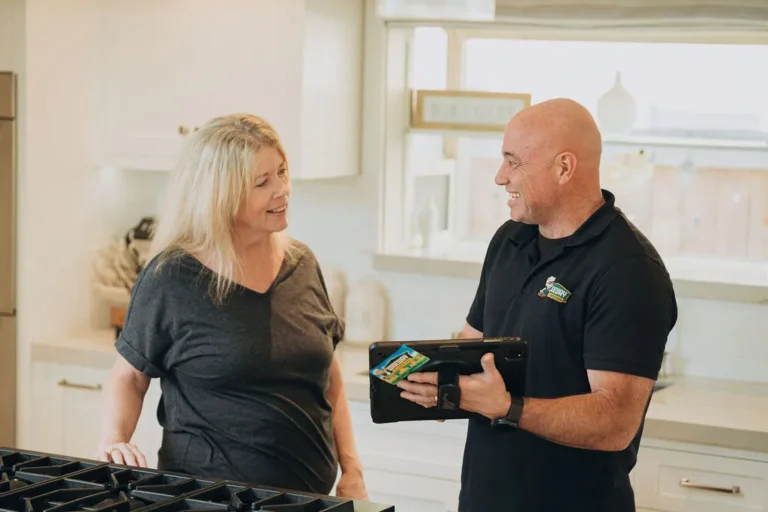
Plumbing Done the Wiseway - with Respect, Honesty, and Expert Craftsmanship
We believe smart plumbing begins with doing things right the first time. That means honest pricing, clear explanations, and respect for your home - just as if it were our own. From minor leaks to clogged sewer lines or fixture upgrades, you'll get straightforward service without high-pressure upsells and no costly surprises. When you hire Wiseway Plumbing, you get dependable, high-quality work from experienced plumbers who genuinely care.
(310) 731-1055What Your Westminster Neighbors Say
The Wise Choice is Honest Work, Fair Treatment, and Quality Service You Can Trust.
That’s how the team at Wiseway Plumbing does business.
Highly-Trained
“Wisdom isn’t just about knowing the right answer, it’s about choosing the right path — and that path is the Wiseway.”
Dedicated
“We are committed to earning your trust through accountability, expertise, and exceptional customer experiences from start to finish.”

Friendly
“We treat our customers like family - with integrity, transparency, and a smile. You can alwasy count on us to deliver reliable solutions.”







Reasons To Consider an Electric Water Heater
- Hot water that doesn’t run out. Tankless systems heat water as you use it, so long showers and back-to-back laundry aren’t a problem.
- Lower energy use. Because water is only heated when needed, you’re not paying to keep a tank hot all day.
- Built to last. Many tankless units last 20 years or more, which is often longer than standard tank heaters.
- Takes up less space. These compact units can be mounted on a wall, indoors or outside, leaving more room in your garage or utility area.
- Cleaner water. With no tank holding water all day, there’s less chance for rust or mineral buildup.
- Better for the environment. Using less energy means a smaller overall footprint.
Thinking about replacing your water heater? Give us a call and we’ll walk you through the pros and cons of going tankless. No pressure, no sales tricks—just honest advice to help you choose what works best for your home and your family.
Upgrade to a Tankless Water Heater for Endless Hot Water
More homeowners in westminster are choosing tankless water heaters for their efficiency and reliable, on-demand hot water. Unlike traditional tanks, these systems heat water only when it’s needed—helping lower energy costs and eliminating cold-shower surprises. Their compact design also frees up space in garages and utility rooms. Our team can help you decide if tankless is a good fit for your home, handle installation, and make sure you enjoy consistent hot water for years to come.
Call Now For Tankless Water Heater Service
What Plumbing Problem Can We Solve for You Today?
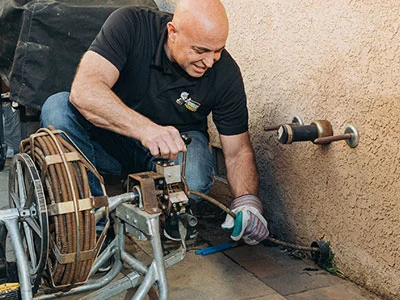
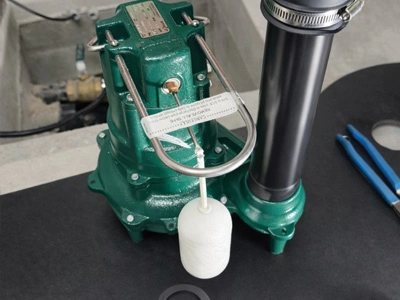
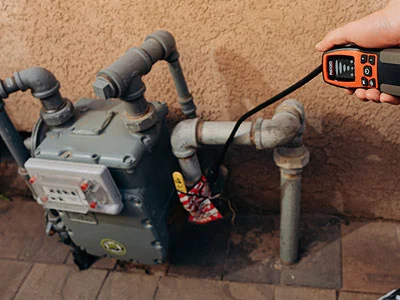
The Wiseway Plumbing Difference: Built on Trust. Backed by Experience.
- Family Owned & Operated
- Certified Technicians
- Same Day Service Available
- Convenient Scheduling
- Fully Licensed, Insured & Bonded
- Work Guaranteed in Writing
- Special Financing Options
- 30 Minute Call Aheads
- Transparent Pricing
Stress-Free Financing Options
We have partnered with a financing company to offer flexible payment options for your project or repair.
CHECK OUT OUR BLOG!
Plumbing Wisdom You Can Count On

WiseWay Plumbing Gives Back to Happy Hats for Kids in Hospitals
At WiseWay Plumbing, being part of the South Bay community means more than providing dependable plumbing services. It also means...
Read More >WiseWay Plumbing Gives Back to Happy...
A Property Manager’s Guide to Backflow Testing in Torrance and the South Bay
The South Bay Homeowner’s Playbook for Annual Backflow Testing A Simple Guide to South Bay Backflow Testing Requirements If you...
Read More >A Property Manager’s Guide to Backflow...
Rusty Water, Pinhole Leaks, and Slab Leaks: Warning Signs You Need a Repipe
Signs Your Home Is Ready for Repiping Discolored Water Signaling a Palos Verdes Repipe A few isolated leaks do not...
Read More >Rusty Water, Pinhole Leaks, and Slab...
Pipe Burst Repair: What to Do Right Now and Why Wiseway Plumbing Is the Call to Make
Water running when nothing’s turned on. A floor that’s soaked for no obvious reason. A burst pipe rarely announces itself...
Read More >Pipe Burst Repair: What to Do...
Fixing Plumbing Problems in westminster
and the Surrounding Communities
- 92655
- 92683
- 92684
- 92685
- 92844
Don’t see your ZIP code? Call us to ask about service in your area. We may still be able to help.
(310) 731-1055